
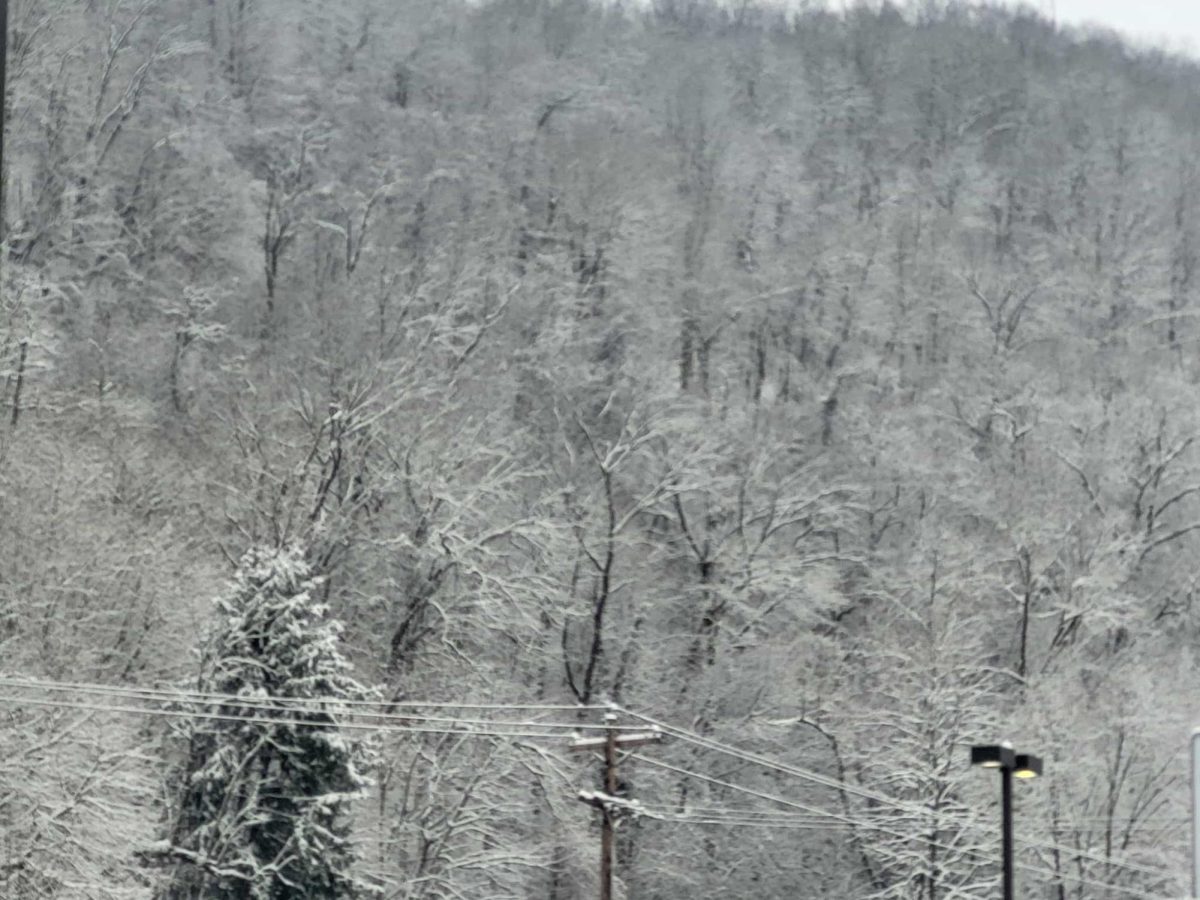
West Liberty, WV – Be careful! Winter is approaching fast. As we prepare for heaps of snow in these upcoming winter months, there are a few things that people should know about driving safely in the snow, especially to and from West Liberty University.
Driving slower than normal due to bad weather can be beneficial during this time because you never know if there is ice under the snow that can cause you could slide and get into an accident. Next, increase your following distance, it is dangerous if you ride so close to the back bumper of another car as they can come to a quick stop, allowing for you to run into them and creating a collision on the road. Also, you should avoid sudden movements like sharp turns and avoid hitting the brake hard.
Some important things that you should know before you drive, clear all the snow and ice from your vehicle, most importantly off the windshields, and lights. If you start to slide, slowly take your foot off the gas and steer gently into the skid to help regain control.
West Liberty University campus officer, Ronald Fox, discussed what he recommends when it comes to how to be safer while driving in the winter. After talking to him, I found out that when it comes to driving safely in the winter, he recommends that the most important things that you should check before driving in the winter are the tire pressure, windshield washer fluid, wipers, and make sure to test the battery.
The recommended speed for driving in snow and ice varies. If it is just normal or light snow, you need to drive slowly, and do not drive faster than what your car can handle. If it is snowing heavily like two-six feet, then the speed limit for driving is going to be zero because you are not going to be able to go anywhere.
Fox says, “If your car starts to slide, brake gently, look to see where you can go safely, and steer into the slide.” However, there are going to be people who do not drive safely in the winter conditions. If someone is not driving safely in the winter conditions, you need to maintain a safe distance between you and the other vehicle. When there is an important reason for someone to drive in bad weather, they should go slow and maintain the speed that your car can handle. You should never go faster than you are used to because then you are more likely to lose control of your vehicle.
I also spoke with the West Liberty’s campus safety director, Anthony Salatino, about driving safely in the bad weather.
“The high risks areas on campus that everyone should be cautious about are the road leading up next to the old tennis courts, south entrance to campus near Krise Hall, Beta Hall Hill, the road leading up to the hill between the ASRC and the football field, and the hill leading up from the Commons Apartment,” said Salatino.
Some safety tips for driving in winter weather are have your tires checked for their treads and air pressure, check your car battery (many auto stores do this for free), make sure you’ve put your snow scraper back in your car if you removed it after the past winter months, keep your gas tank at least half full, make sure your windshield fluid is full with high quality winter fluid, drive with your lights on during any storm, remove snow from all of your car, not just a little section in front of the driver’s window, make sure the lights are scraped as well, know where you’re going and allow additional time for the commute, for example, if it normally takes twenty minutes to get to campus, allow about forty minutes, drive the speed limit and most likely slower, and keep a safe distance when following behind a snow plow/salt spreader.
Having certain essentials in your car during a snowstorm in case you get stranded on the side of the road. Those things include a blanket, bottled water, a light snack, bag of kitty litter to help with traction, a flashlight, jumper cables, phone charger, and an extra pair of gloves and toboggan in case you did not wear them on that day.
Ronald Fox’s overall opinion about driving in snow and ice is “Just Don’t Drive.”
If you ever get stranded on campus and cannot go anywhere, do not hesitate to go to either the campus police in Shaw Hall, or the Housing Office in Rogers Hall for possible housing accommodations.
For additional questions/information, email campus police at [email protected], or the campus safety director at [email protected].