
*This story is an excerpt from a feature piece from Matty Lamp’s capstone blog, titled “Press is More: A Look Into Album Variant Discourse in the Pop Music World.”
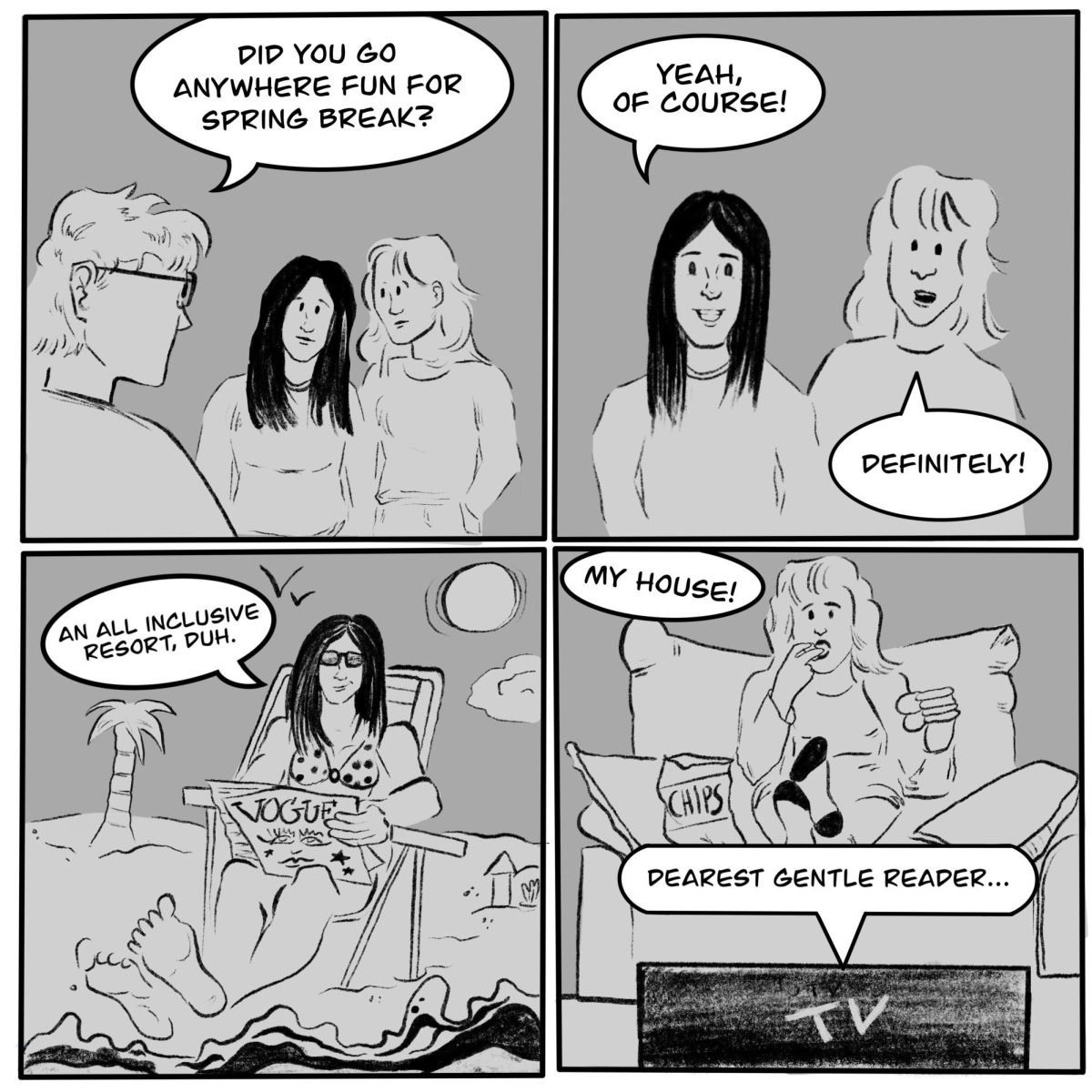
WEST LIBERTY– It’s a seasonably-warm Tuesday afternoon, and I’m back home from college on spring break visiting a friend in a neighboring city. After an hour or so of catching up, she suggests that we visit the music shop along the main stretch of highway in an unassuming plaza. I hadn’t been to the store since before the pandemic, so I was interested to see if anything had changed in the past eight years.
(Which, if I ever decline a trip to the record store, you better be prepared to shoot to kill. My clone is too dangerous to be left unattended.)
The shop is dark and moody despite the bright sunlight outside, but they have a wide selection. I flip through the hundreds of records in the shop to find one I’ve had my eye on for a while, but never bought: Paramore’s “Riot!”
This vinyl was labeled as an anniversary edition, pressed in silver instead of the standard black. It was a decent price, so I took it home with me.
However, when I opened the packaging, I was a bit disappointed to find that the silver was more of a muted slate grey. I then thought about the two other records I own in that color, and I felt a bit bummed that they turned out to be boring compared to my other, more vibrant pieces.
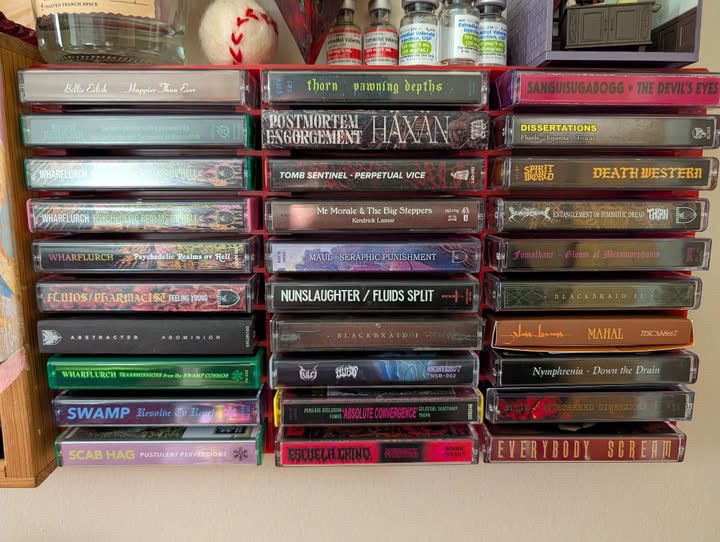
One of the first things that jumps out to me when shopping for records is the color variants that I can choose from. Currently, you’ll be hard-pressed to find a record store that doesn’t carry limited edition colorways for certain albums. This is especially true for color variants that you can only find at indie record stores, such as Kendrick Lamar’s “GNX” in Indie Exclusive Blue or Marina’s “PRINCESS OF POWER” in Indie Exclusive Butterfly Yellow. I own both of those, and I bought them from my local record store.)
Several mainstream artists have taken collectors’ interest in colored vinyls and ran with it, dropping different colors to be exclusively sold at each major retailer. For example, Sabrina Carpenter’s “Short and Sweet” has three different colors for Target, Urban Outfitters, Amazon, a standard blue, and two picture discs, one being Spotify exclusive. And, that’s not even including the pressings of the deluxe version of the album.
Lana Del Rey’s “Did You Know That There’s a Tunnel Under Ocean Boulevard?” boasts similar numbers, with pressings exclusive to Target, Amazon, indie record stores, and her webstore, and a limited Festival Edition pressing also exclusive to her webstore.
Normally, artists do not receive a ton of flack for releasing multiple versions of the same album in different colors. After all, the albums were going to be sold in those major retailers anyway. However, there is a particular case that occurred recently that made a lot of people reconsider both the way that they buy records and the ethics involved in the production of other forms of artist merchandise.
Nobody can deny that Taylor Swift has made a huge impression on pop music and rose her way into superstar status. But on that pedestal, buried in all those pony bead friendship bracelets, lies a double-edge sword.
Many of her fans will follow her every move and clamor to buy any piece of merchandise she puts out related to a project. But, there’s probably an equal number of people who are very critical about her music and merchandise, sometimes for good reason.
After Swift released an absolutely unfathomable flood of physical versions for “The Tortured Poets Department,” some fans took a breath of relief when she announced that there will only be 12 songs on her next project, “The Life of a Showgirl”. Surely, going from 31 songs on TTPD’s deluxe edition to a much shorter tracklist will lend itself to a smaller number of album variants, right?
Well, 18 CDs and eight vinyl variants later, Swift is having a hard time shaking off the money-hungry celebrity allegations.
To read the rest of this story, check out Matty Lamp’s blog, “Let’s Get Physical: A Music Collection Exploration Series”!