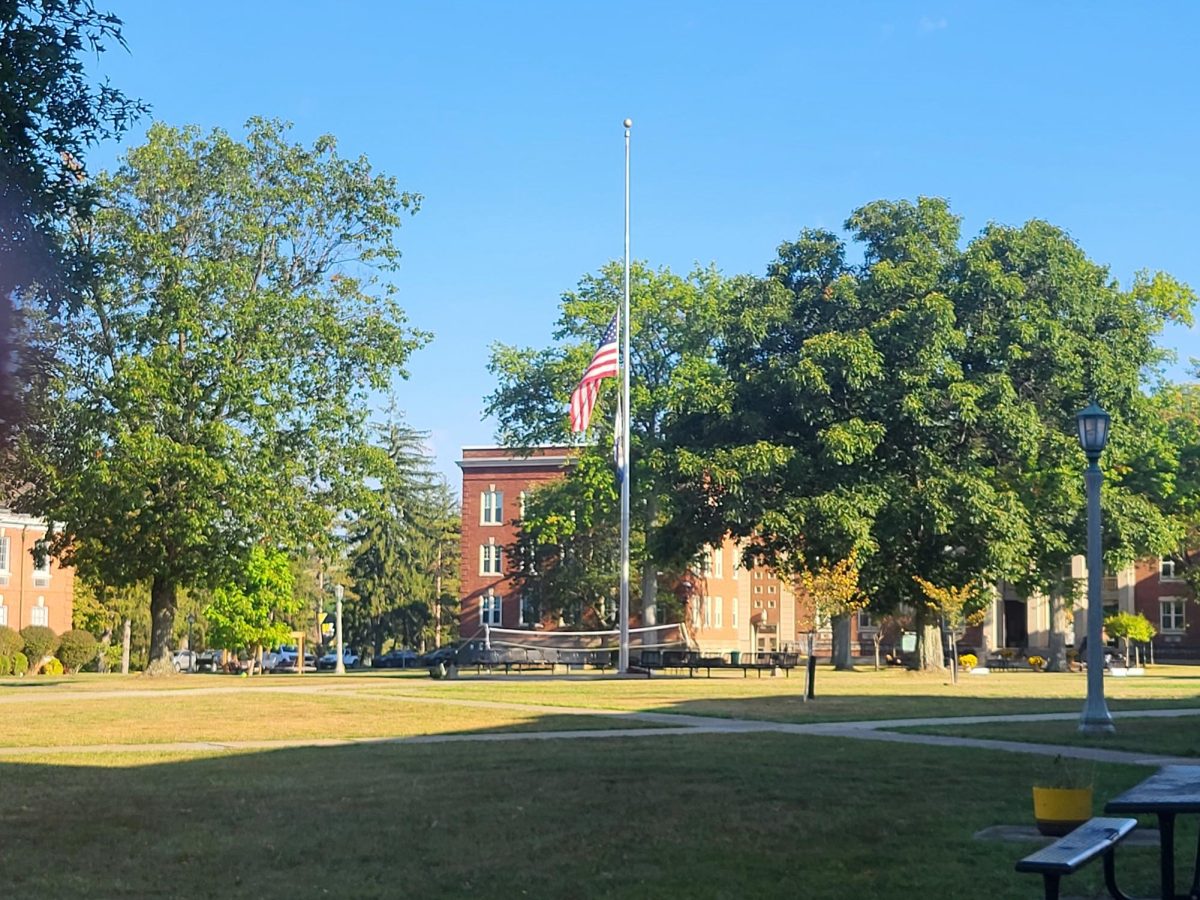

WEST LIBERTY, W.Va. — Registration for the upcoming semester at West Liberty University is underway as students across campus prepare to select courses for the fall term.
The university uses a spaced registration schedule based on class standing, allowing students closest to graduation to enroll first. Juniors began registration April 3, followed by sophomores on April 9, and freshmen are scheduled to register April 15, completing the process.
The system is designed to give upperclassmen priority access to required courses, helping ensure they stay on track to graduate. However, even with a structured timeline, registration can be a stressful experience for many students navigating course availability, degree requirements and scheduling conflicts.
Faculty members say one of their primary roles during registration is to support students through that process and help reduce uncertainty. “Our goal is to help you,” says Dr. Ryan McCullough. “Advisors try to look out for students’ best interests and provide the assistance they need.”
Advisors typically meet with students ahead of their registration date to review degree progress, recommend courses and ensure prerequisites are met. These meetings can help students avoid delays in their academic progress and build schedules that align with their major requirements.
Still, preparation on the student side plays a major role in how smoothly registration goes. Professor Michelle Yadrick said one of the most common issues she sees is students arriving unprepared to make decisions about their schedules. “One of the mistakes I’ve noticed is that students don’t always come prepared with an idea of what they would like to take next semester,” Yadrick said.
“They aren’t always familiar with the classes coming up or what they still need for their major.”

Without a clear plan, students may struggle to register quickly, which can lead to limited course options as classes begin to fill. This can be especially challenging for underclassmen, who registered later and may have fewer choices available.
In addition to planning ahead, students are encouraged to remain flexible. Course sections can fill quickly, and having backup options can make it easier to complete registration without delays. The registration process also highlights the importance of communication between students and faculty.
Advisors can help identify alternative courses, adjust schedules and answer questions about graduation requirements, but that support depends on students reaching out early. University officials recommend that students review course offerings in advance, make a list of preferred classes and meet with their advisors before their assigned registration time. Taking these steps can help reduce stress and improve the overall experience.
As registration continues through mid April, many students are balancing academic planning with other responsibilities, including work and extracurricular activities. For some, the pressure to secure required courses adds to an already busy schedule.
Despite these challenges, faculty emphasize that students are not navigating the process alone. Dr. McCullough said the goal is to make registration as manageable as possible. “We are here to provide the assistance that you need,” McCullough says.
With freshmen registration still ahead, advisors say there is still time for students to prepare, ask questions and take advantage of available resources. Careful planning and early communication can make a significant difference in ensuring a smooth and successful registration period.