
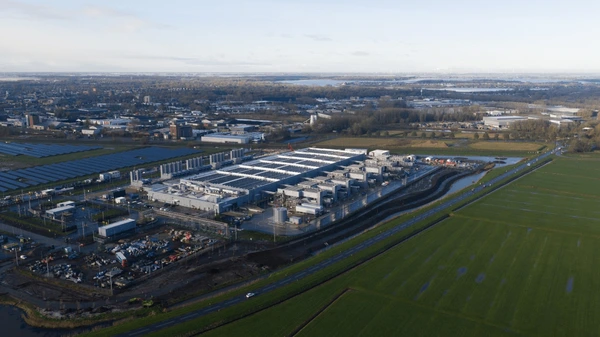
WHEELING, W.Va. —Data centers are facilities that house massive computing systems, i.e., servers, storage systems, and networking equipment used to store, manage, and process data. These centers are the backbone of the internet, providing the necessary power, cooling, and capability for cloud computing, websites, and AI.
According to datacentermap.com, as of April 2026, there are 9 planned large-scale data center projects to be built, with smaller ones from CityNet and Lumos Networks already in operation. Governor Patrick Morrisey has openly supported and encouraged these deals for West Virginia and its infrastructure, both in print and video, such as in this interview. HB (House Bill) 2014 is a passed bill that encourages West Virginia to be a top destination for “high-impact data centers” supported by West Virginia Delegates Hanshaw, Riley, Fehrenbacher, Anderson, Zatezelo, Akers, and Hornbuckle. The West Virginia counties these centers will impact include Mason, Tucker, Berkeley, Cabell, Jefferson, Monongalia, Putnam, and Mingo.
Many of these centers have planned energy capacity exceeding thousands of MW (megawatts), the largest so far, citing a capacity for 6,000 MW. One MW is 1,000 watts; for reference, the traditional LED lightbulb uses between 8-10 watts. This is the equivalent of a facilities capability to burn 750,000 lightbulbs at once. This is also equivalent to the energy usage of 4,800 households, which average between 1,200-1,300 watts, presenting extreme strain on the community’s power grid.
Finding information on these data centers can be difficult. Building plans are being withheld from communities until the last minute, and negative coverage is scarce. Data center developers in West Virginia, supported by state legislation, are keeping projects from the public by utilizing a state-level confidential certification process that bypasses our local zoning noise and environmental ordinances, as supported by aforementioned HB 2014. Why is this?
According to Piedmont Environmental Council, the impacts seen on communities with data centers in Virginia (the state with the highest global concentration of these centers) are clear. Data centers lead to: continued reliance on polluting fossil fuels, expanded utility lines through communities, increased water usage and surface runoff, increased costs to ratepayers and taxpayers through utility cost hikes and billions in tax exemptions, and increased water, air, and noise pollution. West Virginians are well acquainted with the environmental and community impacts of expansive corporate business ventures on our land.
In a 2017 article, environmental justice activist Lucy Duff writes about West Virginia, “…films and news stories have exposed the ravages of mountaintop-removal mining on that land and its people’s health and livelihood…Appalachian exploitation by the mining industry… State — and now federal — officials fail to enforce what regulations exist against workers’ risks, water pollution, and greenhouse gas emissions.” Her article is available here.
Since the emergence of coal, steel, iron, and numerous other industries, West Virginia has been exploited for its expansive natural resources and small job-hungry towns. The health and environmental impacts have affected West Virginians for generations, often characterized by a “boom and bust” cycle, leaving lasting scars on the landscape and local communities. Regardless, our representatives call for the implementation of yet another industry that will tax both our land and our people. So what can we do about it?
Both grassroots and online activists are campaigning to keep data centers out of West Virginia. Tucker United is an organization based in Tucker County, West Virginia, that is openly speaking out against the construction of data centers. Their website and Facebook page supports protest efforts in Tucker County and other counties across West Virginia. Garnering over 700k views within a week of posting, TikTok user @moonindetriment’s video protesting data center construction has gone viral, showing widespread support for their prevention, and is available to watch here. Additionally, despite attempts to suppress information, others, such as the non-profit organization More Perfect Union, are educating others about these data centers, as seen in the YouTube video “Tech Billionaires’ Shocking Plan For West Virginia”.
West Virginia is our home, and it is our obligation to protect and defend it from the repeated exploitation these mountains have seen time and time again. Advocacy for the rights of West Virginians is an opportunity to return both communal and environmental autonomy to our people and land, independent from the desires of wealthy corporations. As West Virginians, if we can see not only our land, but also a healthy future for our state as its our greatest resource, our priorities begin to shift from temporary billion-dollar deals to sustainability that will allow generations the opportunity to experience the same wild and wonderful place we know and love. Resources to support the protest of these data centers are available on the Tucker United website.